
Induction Hob and Twin Plate Price Update | Latest Market Rates
By:Admin
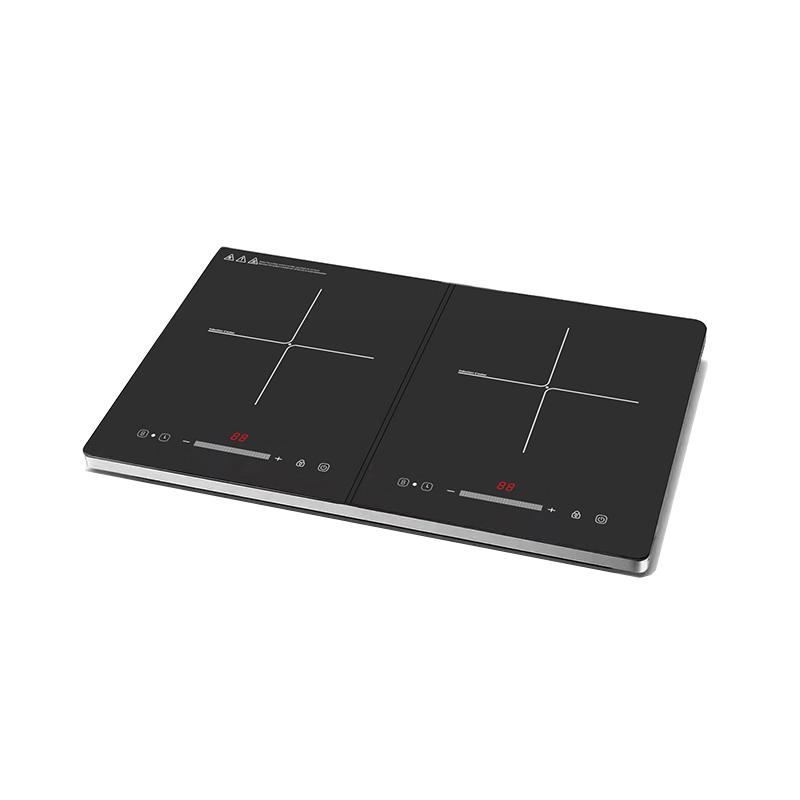
In recent years, China’s kitchen appliance market has witnessed significant growth, particularly in the segment of induction hobs. Among these, the induction hob twin plate models have gained remarkable popularity due to their efficiency, safety features, and modern design. As market demand surges, the pricing landscape for these products has become a focal point for both consumers and manufacturers. This article delves into the current state of induction hob and induction hob twin plate prices in China, alongside insights from a leading company’s profile that is driving innovation and supply in this sector.
### Market Overview: The Rise of Induction Hobs in China
The Chinese kitchen appliance industry is experiencing rapid transformation, fueled by urbanization, increasing income levels, and a rising preference for energy-efficient cooking solutions. Induction hobs, which utilize electromagnetic fields to directly heat cookware, offer numerous advantages such as faster cooking times, precise temperature control, and enhanced safety. This has positioned them as a preferred choice over traditional gas and electric stoves.
Among various models, the twin plate induction hob—featuring two cooking zones—has become highly sought after for its ability to accommodate multiple dishes simultaneously. This is particularly appealing to families and professional cooks looking for convenience and versatility.
### Price Trends of Induction Hobs and Twin Plate Models
The pricing of induction hobs in China varies widely based on several factors including brand, features, build quality, and technological innovation. As of mid-2024, the average price range for standard induction hobs is approximately RMB 800 to RMB 2,500. Twin plate induction hobs generally command a higher price bracket, typically ranging from RMB 1,500 to RMB 4,500, reflecting their enhanced functionality and design complexity.
Price fluctuations in this category are influenced by raw material costs, import tariffs on electronic components, and competitive strategies among domestic manufacturers. Additionally, consumers are increasingly looking for models equipped with intelligent controls, touch sensors, and energy-saving modes, which tend to push prices upward.
### Key Drivers Influencing Price Dynamics
**1. Technological Advancements:**
There has been continuous integration of smart technologies in induction hobs, such as app connectivity and AI-driven cooking programs. These innovations raise the production cost but add significant value, influencing the pricing structure.
**2. Consumer Preferences:**
Chinese consumers today prioritize health and convenience, making features like child-lock safety, automatic shutoff, and easy cleaning highly desirable. Products with these attributes are priced at a premium.
**3. Supply Chain Factors:**
Recent disruptions in the global supply chain have affected the availability and cost of critical components like IC chips and glass surfaces used in hobs, leading to moderate price increases.
### Company Spotlight: Innovation and Quality in Induction Hob Manufacturing
One notable player in the Chinese market is a company specializing in the production and export of high-quality induction cooking appliances. This company has built its reputation on combining cutting-edge technology, stringent quality controls, and customer-centric designs to meet diverse market needs.
Established over a decade ago, the company has developed a comprehensive product portfolio that includes single and twin plate induction hobs, favored for their durability and efficient performance. Its research and development team focuses on enhancing energy efficiency and user experience, which has led to the launch of several models featuring touch-sensor panels, surge protection, and multi-stage cooking modes.
Being export-oriented, the company adheres to international certification standards such as CE, CCC, and RoHS, ensuring that their products meet both domestic and overseas quality benchmarks. This not only positions them competitively within China but also expands their presence in global markets.
### Future Outlook
The outlook for China’s induction hob market remains optimistic, with expected growth driven by urban migration, rising middle-class spending power, and the push towards greener living. The twin plate induction hob segment, in particular, is anticipated to see further innovation and wider adoption, making it a key focus for manufacturers.
Price-wise, while consumer demand for advanced features may keep prices stable or slightly upward, increasing local production capabilities and economies of scale are likely to moderate cost pressures over time. As smart home integration deepens, induction hobs are poised to become central components of the modern kitchen.
### Conclusion
China’s induction hob market, especially the twin plate category, is evolving rapidly amid changing consumer preferences and technological progress. Pricing reflects this dynamic environment, balancing affordability with feature-rich designs. With leading companies driving innovation and quality, the industry is set to meet growing demand both domestically and internationally, ensuring that induction hobs remain at the forefront of modern cooking solutions.
---
This detailed outlook on induction hob prices and market trends provides valuable context for consumers, retailers, and industry stakeholders seeking to understand this vibrant segment of China’s kitchen appliance market.